Last updated 2026-07-11
TL;DR
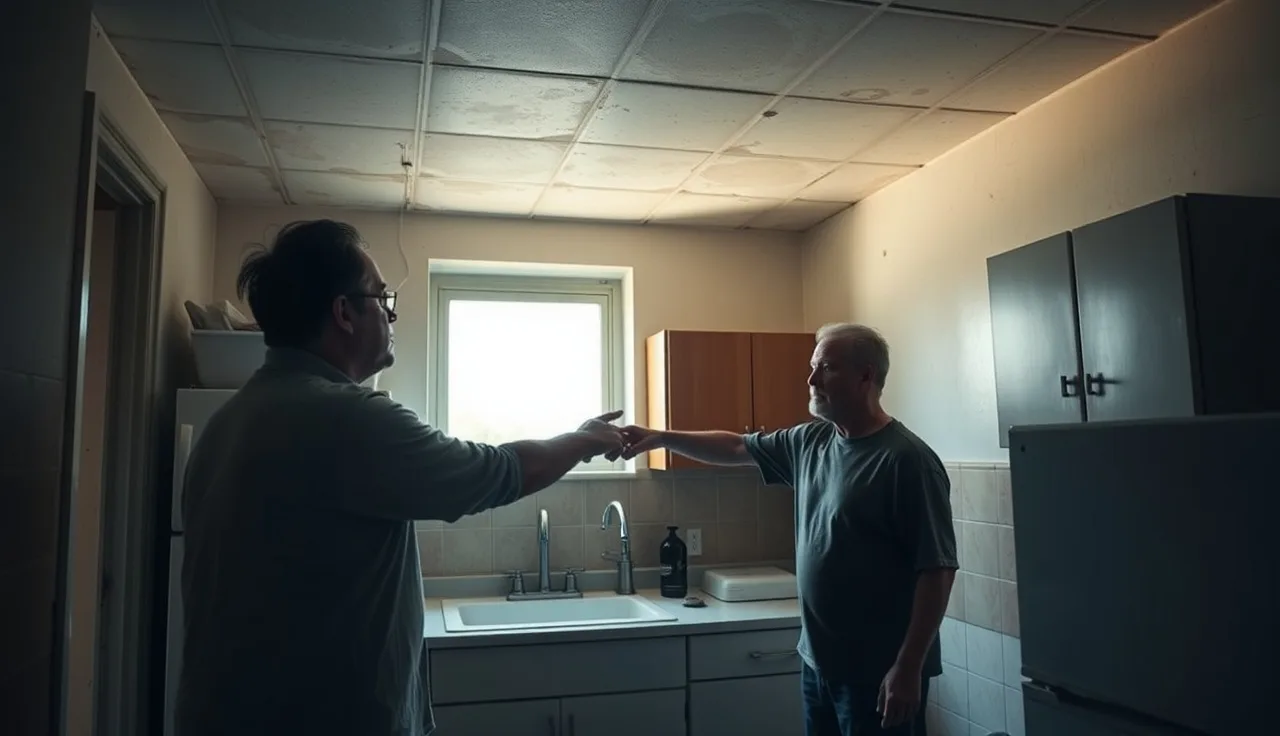
If your landlord won't make repairs on a Section 8 unit, you can request a special inspection through your local Public Housing Authority at any time, not only at annual renewal. The PHA must inspect within a reasonable period, and if the unit fails, the landlord risks losing HAP payments until the work is done. You don't have to wait.
What is a special inspection and when can you request one?
A special inspection, sometimes called an interim or complaint inspection, is an unscheduled Housing Quality Standards (HQS) inspection triggered by a tenant's complaint instead of the annual cycle. Under 24 CFR 982.405, PHAs must inspect each assisted unit at least once a year, but nothing in the rule caps inspections at one per year. [1] You can ask for one any time repairs are needed and your landlord is dragging their feet.
The voucher program rests on a simple idea: units must meet HQS at all times, not only on inspection day. HUD's rules make the owner responsible for keeping the unit in a condition that meets HQS. [2] Ceiling leaking? Heat out for two weeks? Stove dead and the landlord gone silent? That's exactly what a special inspection is for.
A lot of tenants don't know this option exists. Many assume they have to wait for the annual inspection, or that their only real move is to beg the landlord and hope. Neither is true. The PHA holds contractual power a tenant doesn't have alone: it can withhold the Housing Assistance Payment (HAP) from the landlord until the deficiencies are fixed.
What counts as a repair serious enough to trigger an inspection?
HUD sorts HQS deficiencies into two tiers: life-threatening and non-life-threatening. [2] Life-threatening failures must be corrected within 24 hours of being found. Non-life-threatening deficiencies usually get a 30-day window, though PHAs can set shorter deadlines.
Life-threatening failures include things like:
- No working heat in cold weather
- Gas leaks or carbon monoxide hazards
- Broken or missing smoke detectors
- Inoperable fire exits
- Exposed electrical wiring
- Sewage backing up into living areas
Non-life-threatening failures that still justify an inspection request include broken windows, missing handrails, peeling lead-based paint (especially with children under six in the home), water damage, pest infestations, and broken appliances the landlord owns under the lease.
If your child is under six and there's peeling paint on pre-1978 surfaces, treat it as urgent no matter how the landlord labels it. HUD's lead-paint rules under 24 CFR 982.401(j) require disclosure and can require remediation before the PHA keeps paying. [3]
One honest note: not every cosmetic complaint fails a unit. A scuffed wall or a torn screen door probably won't. Anything that affects health, safety, or basic habitability will. If you're unsure, request the inspection anyway. Worst case, the unit passes and you have proof you tried.
How do you actually request a special inspection?
The process is simpler than most tenants expect. The details are where people trip.
Step 1: Document everything first. Before you call or email the PHA, spend 15 minutes building a written record. Write down every repair you've asked for, the date you asked, and how the landlord responded (or didn't). Take photos and videos of each problem. This protects you if the landlord later disputes your account, and it gives the inspector context before they walk in.
Step 2: Contact your PHA directly. Find the contact info for your specific PHA, not a general HUD line. HUD's PHA contact directory at HUD.gov lists every agency by state and city. [4] Most PHAs have a dedicated number or email for inspection complaints. When you reach them, identify yourself as a voucher holder, give your case number if you have it, and state plainly that you're requesting a special inspection because of unresolved repairs.
Step 3: Put the request in writing. Even if you start with a call, follow up with an email or letter so there's a dated record. State the specific deficiencies, when you first reported them to the landlord, and that the repairs haven't been made. Keep a copy.
Step 4: Tell your PHA what you've already done. Did you send the landlord written notice? Did they respond at all? The PHA will probably ask. If you already sent a certified letter or text messages, include them.
Step 5: Wait for the appointment. PHAs schedule differently. Some are fast, some aren't. If you don't hear back within a week, follow up in writing. PHAs must inspect within a reasonable period after a complaint, though HUD doesn't fix a number of days in the regulation, leaving it to agency discretion. [1]
For tenants juggling the logistics of a voucher, VoucherReady has a free tool to organize your inspection history and generate a written complaint letter to your PHA.
Does your landlord get notified before the special inspection?
Yes, usually. PHAs must give the owner reasonable advance notice of the inspection date under 24 CFR 982.405(a). [1] HUD doesn't set a minimum number of days, so practice varies. Some agencies give 24 to 48 hours, others give a week.
This is one of the places the system has a real flaw. A bad-faith landlord who knows inspection day is coming can make a quick patch or cleanup, pass the unit, then let conditions slide back. If you suspect that game, document conditions on multiple dates before and after the inspection. Date-stamped photos and videos on your phone are your best evidence.
Some PHAs inspect without advance notice when there's a pattern of violations or a reported life-threatening condition. You can ask whether they'll inspect on short notice given your circumstances. They may or may not, but asking costs nothing.
The landlord cannot refuse the inspection. The HAP contract the owner signed gives the PHA the right to inspect the unit at any time with reasonable notice, per 24 CFR 982.452(b). [5] If the landlord blocks access, that itself breaks the HAP contract.
What happens after the inspection if the unit fails?
If the inspector finds deficiencies, the PHA issues a written notice to the owner listing what needs fixing and the deadline. Life-threatening deficiencies get 24 hours. Others get up to 30 days, though the PHA can shorten that. [2]
Miss the deadline, and the PHA can abate the HAP payment, meaning the landlord stops getting the subsidy until repairs are complete. That's the real enforcement lever. For most landlords, losing the government check sharpens their focus fast.
Here's how the timeline usually runs after a failed inspection:
| Stage | Who acts | Typical timeframe |
|---|---|---|
| Inspector identifies deficiencies | PHA | Inspection day |
| Written notice to landlord | PHA | Within days of inspection |
| Repair deadline (life-threatening) | Owner | 24 hours |
| Repair deadline (non-life-threatening) | Owner | Up to 30 days |
| HAP abatement begins | PHA | After missed deadline |
| Reinspection after repairs | PHA | Upon owner's request |
| HAP reinstated | PHA | After unit passes reinspection |
One thing that trips people up: HAP abatement does not reduce what the tenant owes in rent. Your portion is still due to the landlord under the lease. The abatement touches only the PHA's payment. Know this so you aren't blindsided.
If the landlord still won't repair after abatement begins, the PHA can terminate the HAP contract entirely. At that point you'd need to move. The PHA should help you find a new unit and may extend your voucher search time given the situation. [6]
Can the landlord retaliate against you for requesting an inspection?
Landlord retaliation against tenants who use their legal rights, including asking for a housing inspection, is banned under most state landlord-tenant laws, and many states have specific anti-retaliation statutes. [7] Common retaliatory moves include a notice to vacate right after a complaint, a refused lease renewal, reduced services, or conditions made deliberately worse.
If your landlord comes after you following an inspection request, document the timeline carefully. The timing itself is often the strongest evidence. A landlord who issues a non-renewal notice within 30 to 90 days of a complaint has a hard time explaining that sequence in a hearing.
Report retaliation to your PHA too. The PHA's direct authority runs to the HAP contract, not the lease, but a pattern of landlord behavior that violates tenant rights bears on whether the PHA keeps doing business with that owner. Landlords with documented patterns of HQS violations or retaliation can be barred from the voucher program.
For context on federal tenant protections under the housing choice voucher program, HUD's rules at 24 CFR 982 set the framework, but state law governs most of the day-to-day landlord-tenant relationship.
What if your PHA is slow to respond or won't schedule the inspection?
This happens. PHAs vary enormously in staffing, funding, and responsiveness. If you've made a written request and heard nothing in two weeks, you have several moves.
First, escalate inside the PHA. Ask for a supervisor or the inspection manager by title. A request stuck in a general inbox often gets unstuck when you address it to a named person.
Second, file a formal complaint with HUD. HUD's Office of Fair Housing and Equal Opportunity (FHEO) handles complaints about program administration. You can file at hud.gov. [8] A HUD complaint puts your PHA on notice that their handling of your case is now documented at the federal level.
Third, contact your local legal aid office. Legal aid attorneys deal with PHA foot-dragging all the time and can write letters that carry more institutional weight than a tenant complaint alone. The Legal Services Corporation keeps a directory of federally funded legal aid providers at lsc.gov. [9]
Fourth, document the PHA's non-response as carefully as the landlord's. Dates you called, who you spoke with, what they said. If this reaches a hearing or complaint, that record matters.
Finally, check whether your city or county has a housing code enforcement agency separate from the PHA. A municipal code enforcement inspection is separate from an HQS inspection, but it creates an independent record of conditions and can compel landlord action through a different legal channel.
Does requesting an inspection affect your voucher or your standing with the PHA?
No. Requesting a special inspection is a protected activity under your HAP contract and under fair housing law. The PHA cannot penalize you for exercising your right to have the unit inspected. [5]
From the PHA's side, a tenant reporting conditions that don't meet HQS is doing exactly what the system expects. The PHA has to make sure the units it subsidizes are decent, safe, and sanitary. A tenant complaint helps them do that job.
What can affect your voucher is being found responsible for the conditions you're complaining about. HUD's rules at 24 CFR 982.404 put responsibility for damage caused by the tenant's household on the tenant, not the landlord. [2] An inspector who finds a broken window came from tenant-caused damage will note the owner isn't responsible. If you caused damage, fix it yourself before requesting an inspection rather than have it logged as a tenant-caused deficiency. That kind of record can create problems at lease renewal.
What should you do while waiting for the inspection?
Keep living in the unit and keep paying your portion of the rent, unless conditions are so dangerous that staying is a genuine safety risk. Walking away before the process plays out can complicate your housing badly.
Keep documenting. Take a short video walkthrough of every deficiency every week. Store it somewhere with automatic date-stamping, like a cloud photo service. If the landlord half-fixes a problem and it comes back, that run of dated photos tells the story.
Send written follow-up to the landlord that points back to your earlier requests. A simple email that says "As I noted on [date], the heating unit in the bedroom is still not working, and I have requested an inspection from the PHA" builds a paper trail and signals that you're organized and persistent.
Contact a tenant rights organization if the situation is serious. Groups affiliated with the National Housing Law Project or local legal aid clinics can tell you what standing you have under your state's law, which may be stronger than the federal floor.
For reference, the housing authority that administers your voucher is your main point of contact through all of this. Their inspection department, not the waitlist or eligibility team, handles these requests.
Can a landlord fix the problem before the inspection to avoid consequences?
Yes, and honestly, that's a fine outcome. If your landlord hears an inspection is coming and makes the repairs, the problem is solved. The inspection confirms everything's corrected, and you move on.
The scenario that gets messy is a cosmetic fix that ignores the real problem. A water stain painted over without fixing the leak. A furnace that runs on inspection day and dies again a week later. Document conditions before and after. If the problem returns, request another special inspection. There's no limit on how many times you can do this.
PHAs track inspection histories. A unit or owner racking up repeated failures and short-term patches builds a record that can hurt the owner's standing in the program. Some PHAs flag high-deficiency landlords for more frequent inspections. That steady pressure is part of how the program is supposed to work.
Landlords who want to understand their obligations before any of this turns adversarial can find a clear breakdown of HQS requirements and HAP contract terms through resources like VoucherReady's landlord kit, which covers what owners are actually on the hook for under 24 CFR 982.404.
Are there situations where you should move instead of waiting for repairs?
Sometimes, yes. If conditions are genuinely hazardous and the landlord is unresponsive, staying while the administrative process grinds on can be the wrong call for your health and safety.
You can request to move while a repair complaint is pending. Talk to your PHA about whether your circumstances allow early lease termination and a voucher transfer. Most leases and PHA rules require proper notice before moving, but PHAs can waive or shorten notice in cases of emergency housing conditions or documented landlord non-compliance.
If your unit's repeated failures push the PHA to terminate the HAP contract, the PHA should issue you a new voucher or extend your existing one and give you time to find a new unit. The PHA has discretion here, but leaving a tenant without assistance after the landlord's failures triggered the termination would be unusual and arguably a program administration failure. [6]
For those hunting new units, the section 8 houses for rent and hud housing resources can help you find landlords already in the program and familiar with HQS.
If you're weighing a move, check your PHA's policy on portable vouchers. Depending on your length of tenancy and the circumstances, you may be able to use your voucher in a different jurisdiction, which opens more options. See moving and porting content for how that works.
Frequently asked questions
How long does a PHA have to schedule a special inspection after I request one?
HUD's regulations don't set a specific number of days for scheduling a complaint-based special inspection, leaving the timeline to PHA discretion. Most PHAs aim to inspect within two to four weeks of a complaint, but that varies. If you reported a life-threatening condition like no heat or a gas leak, push the PHA to respond within days. Document every contact you make so you have a record if the PHA delays unreasonably.
What if the landlord says the repair is my fault?
Request the inspection anyway. The inspector decides who's responsible. Under 24 CFR 982.404, tenant-caused damage is the tenant's financial responsibility, but the inspector has to make that call on the evidence. If the landlord claims damage is your fault but it isn't, the inspection creates an independent record. Don't accept the landlord's version without an inspector's review.
Can I request a special inspection anonymously?
Generally no. Your PHA needs to verify you're an assisted tenant in the specific unit before scheduling a complaint inspection. That said, you can ask the PHA not to tell the landlord that the inspection came from your complaint, though the landlord will usually figure it out. You can also request that your name not appear in any written notice sent to the landlord. Ask your PHA about their policy on this.
What happens to my rent if the PHA abates HAP payments during a repair dispute?
HAP abatement affects only the PHA's portion of the rent. Your portion stays due to the landlord under the lease. This is a common source of confusion. The abatement is meant to pressure the landlord, not give the tenant a rent holiday. If your landlord tries to evict you for non-payment during abatement, that's a separate legal matter and you should contact a legal aid attorney immediately.
Can the landlord evict me for requesting a special inspection?
Retaliatory eviction in response to a good-faith housing complaint is illegal under most state laws and violates fair housing principles. If your landlord serves you notice to vacate or starts eviction proceedings shortly after you request an inspection, document the timeline and contact a legal aid office. The proximity of the eviction to your complaint is strong evidence of retaliation in most jurisdictions.
How many special inspections can I request in a year?
There's no regulatory cap. HUD's rules require annual inspections as a floor, not a ceiling. You can request a special inspection every time there's a documented repair failure the landlord hasn't addressed. In practice, several requests in a short window will likely flag the unit and the owner for closer PHA scrutiny, which is not a bad outcome if real problems exist.
What are the most common HQS failures that lead to a unit failing inspection?
Based on HUD's HQS categories, common failures include inoperative heating systems, non-functioning smoke detectors, plumbing deficiencies like leaks or sewage backups, broken or missing window glass, inoperable appliances the owner is responsible for, peeling lead paint in pre-1978 units, and unsafe electrical systems. Smoke detector failures are among the most frequent and among the easiest for landlords to fix fast.
Does the PHA tell the landlord what the tenant complained about before the inspection?
Practices vary by PHA. Some send the owner a notice that lists the general reason for the inspection (tenant complaint) without specifics. Others share the complaint details so the owner can prepare. Ask your PHA what their notice policy is. What they cannot do is skip the inspection based on a landlord's promise to fix things. The inspection still has to happen.
Can I contact HUD directly if my landlord isn't making repairs?
Yes, but your first step should be your PHA, since they hold the HAP contract. HUD's FHEO office at hud.gov handles complaints about program administration, including cases where a PHA is unresponsive to repair complaints. HUD itself doesn't conduct HQS inspections directly in most cases. If you feel your PHA is failing to act, a HUD complaint is the right escalation after your PHA has not responded.
What is the difference between an HQS inspection and a local code enforcement inspection?
An HQS inspection is run by your PHA to assess whether a voucher-assisted unit meets federal Housing Quality Standards under 24 CFR 982.401. A local code enforcement inspection is run by a city or county agency under municipal housing codes. These are separate processes with separate consequences. A unit can pass one and fail the other. Filing a code enforcement complaint is a useful parallel strategy, not a replacement for a PHA special inspection.
If the PHA terminates the HAP contract because the landlord didn't make repairs, do I lose my voucher?
No. A HAP contract termination due to the landlord's failure to meet HQS should not cause you to lose your voucher. The PHA should give you time and help to find a new qualifying unit. The voucher is yours, not the landlord's. What you do lose is your current housing, which is serious. Ask your PHA right away about extending your search period and any emergency resources if this happens.
Are repair timelines different in winter for heating problems?
Yes, effectively. Heating failures are classified as life-threatening deficiencies by HUD, so the required correction window is 24 hours regardless of season. In practice, during extreme cold, PHAs may treat heating failures with even more urgency and may have emergency protocols. If your heat goes out in winter and your landlord doesn't respond within hours, contact your PHA immediately and call it an emergency.
Can a landlord charge me for repairs I request through an inspection?
Only if the damage is documented by the inspector as tenant-caused. Repairs that are the owner's responsibility under the lease and HQS cannot be billed to the tenant. If your landlord tries to pass HQS-required repair costs to you, that's potentially a lease violation and worth reporting to the PHA. Keep all communication about repair charges in writing.
Sources
- HUD, 24 CFR 982.405 - Owner Responsibilities: PHAs must inspect each assisted unit at least annually; the regulation does not cap inspections at one per year and allows complaint-based special inspections at any time.
- HUD, 24 CFR 982.404 - Dwelling Unit: Housing Quality Standards and Inspections: Life-threatening HQS deficiencies must be corrected within 24 hours; non-life-threatening deficiencies within 30 days; tenant-caused damage is the tenant's responsibility.
- HUD, 24 CFR 982.401(j) - Lead-Based Paint: Special lead-paint requirements apply to pre-1978 units with children under six, including disclosure and remediation obligations.
- HUD, PHA Contact Directory: HUD maintains a searchable directory of all Public Housing Authorities by state and city for tenant and landlord contact.
- HUD, 24 CFR 982.452 - Owner Responsibilities: HAP Contract: The HAP contract gives the PHA the right to inspect the assisted unit at any time with reasonable notice; landlords cannot refuse PHA inspection access.
- HUD, HCV Program Guidebook (7420.10G), Chapter 10: When a HAP contract is terminated due to owner non-compliance, the PHA should work with the tenant to find a new qualifying unit and may extend voucher search time.
- National Housing Law Project, Tenant Rights Under Section 8: Most state landlord-tenant laws prohibit retaliation against tenants who exercise legal rights including requesting housing inspections.
- HUD, Office of Fair Housing and Equal Opportunity - File a Complaint: Tenants can file a formal complaint with HUD FHEO when a PHA fails to respond adequately to housing quality complaints.
- Legal Services Corporation, Find Legal Aid: LSC maintains a directory of federally funded legal aid providers that assist low-income tenants with PHA and landlord disputes.
- HUD, Housing Quality Standards Inspection Form HUD-52580: HUD's standard HQS inspection form documents all deficiency categories inspectors assess, including safety, habitability, and mechanical systems.
- HUD, 24 CFR 982.401 - Housing Quality Standards: Units must meet HQS at all times during assisted tenancy, not only on scheduled annual inspection dates.