Last updated 2026-07-10
TL;DR
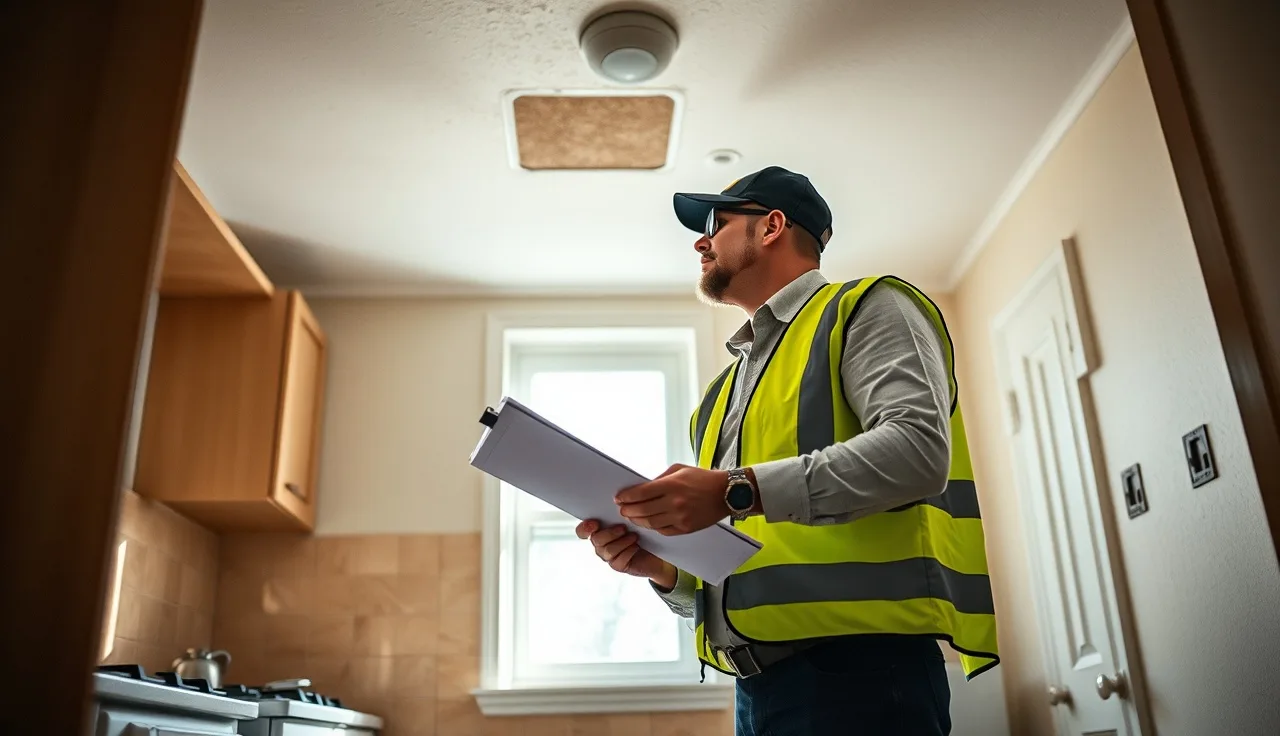
Every housing authority that runs the Housing Choice Voucher program has an inspection department (sometimes called the inspection office or HQS unit) that schedules and conducts Housing Quality Standards inspections. It happens before any subsidy is paid and at least once every 24 months after that. Fail, and the landlord gets a repair deadline. The PHA can suspend payments until the unit passes.
What is the Section 8 inspection department?
The Section 8 inspection department is the unit inside your local Public Housing Authority (PHA) that makes sure every subsidized rental meets HUD's Housing Quality Standards (HQS) before the agency pays a dollar of rent assistance. Most PHAs call it the inspection office, the HQS unit, or the inspections division. The name changes. The job doesn't.
HUD sets the framework at 24 CFR Part 982, Subpart I, which requires PHAs to inspect assisted units before the initial lease-up, at least every two years during the tenancy, and whenever a complaint comes in. [1] The inspection department is the machinery that carries all of that out.
This department does not set your voucher amount. It does not approve your landlord's paperwork. Those tasks belong to housing specialists or caseworkers. The inspection office has one job: judge the physical condition of the unit against the HQS checklist and report pass, fail, or inconclusive.
Larger PHAs, like the New York City Housing Authority or the Chicago Housing Authority, run inspection departments with dozens of inspectors and dedicated scheduling staff. Smaller county-level PHAs might hand inspection duties to two or three people who juggle other functions too. The authority they operate under is identical either way.
What authority does the inspection department operate under?
The legal foundation is 24 CFR 982.401, which lists all 13 HQS performance requirements a unit must meet. [1] Congress put the inspection requirement into Section 8(o)(8) of the United States Housing Act of 1937, as amended. The statute says the PHA "shall inspect" the unit before assistance begins and at least biennially after that. [2]
HUD's Housing Choice Voucher Guidebook (Chapter 10) turns those statutory lines into practical steps: how to schedule, how to notify landlords, what to do when a unit fails. [3] PHAs have to follow those procedures to stay in compliance with their Annual Contributions Contract with HUD, which is the agreement that funds the whole program.
Here's something worth knowing. HUD runs its own oversight through the Real Estate Assessment Center (REAC), which audits how PHAs inspect using quality control sampling. [11] If HUD finds a PHA passing units that shouldn't pass, it can order corrective action plans or cut funding. That outside pressure is a big part of why inspection departments take the checklist seriously.
How does the inspection department schedule an inspection?
It usually starts when a landlord submits a Request for Tenancy Approval (RFTA) to the PHA, saying they want to rent to a voucher holder. The leasing team reviews the paperwork, then passes the unit address to the inspection department, which contacts the landlord (and sometimes the tenant) to set an appointment. [3]
Most PHAs give 5 to 14 calendar days' notice for initial inspections, though the window shifts by agency. Reinspections may come with less notice. Some PHAs mail written notice 30 days ahead; others call within a week of the date. Landlord who never got a scheduling call? Call the PHA's inspection office directly, not your housing specialist. That's the fastest fix.
For tenants, the inspection needs someone present who can open every room, closet, utility space, and the exterior. That can be the tenant, the landlord, or an authorized property manager. An inspector who can't get in marks the appointment a no-show, and reschedule rules vary widely by PHA. Some charge a re-inspection fee (often $25 to $75) after the first miss. [4]
If you need to reschedule a Section 8 inspection, call the inspection office number directly, not a general PHA line. Most offices take rescheduling requests up to 48 hours before the appointment. A few want 72 hours.
The Buffalo BMHA Section 8 inspection department (run by the Buffalo Municipal Housing Authority) schedules through its Housing Choice Voucher Division and is reachable at its main HCV office number. Like most mid-size PHAs, BMHA mixes phone scheduling with mailed notices.
What does the inspection department actually check?
Inspectors work from the 13 HQS performance categories in 24 CFR 982.401: sanitary facilities, food preparation and refuse disposal, space and security, thermal environment, illumination and electricity, structure and materials, interior air quality, water supply, lead-based paint, access, site and neighborhood conditions, sanitary conditions, and smoke detectors. [1]
In practice, the inspector walks every room with a checklist and tests things by hand. They run faucets to check pressure and drainage, flip every light switch, open and close windows and exterior doors, light the stove burners, trip the smoke alarms, and eyeball ceilings, walls, and floors for leaks or structural trouble. They don't do engineering assessments or environmental testing beyond a visual lead paint check for units built before 1978.
For a full breakdown of the category-by-category checklist, see the HUD housing inspection checklist and the guide on what Section 8 inspections look for.
Failures sort into two buckets under HQS. Life-threatening (emergency) deficiencies must be fixed within 24 hours. Non-life-threatening deficiencies usually get a 30-day repair window. [3] The inspection department tracks both clocks and schedules the re-inspection. A landlord who blows the deadline faces HAP payment suspension, not tenant eviction, at least at first.
For a broader look at what happens if you fail a Section 8 inspection, the outcome hinges on which category the failed item falls into.
How long does an inspection take and what happens right after?
A standard apartment inspection runs 30 to 60 minutes. Larger single-family homes or multi-story units can take 90. The inspector usually finishes the checklist on-site and either tells the landlord and tenant on the spot whether the unit passed, or sends a written determination within 1 to 5 business days, depending on PHA policy.
Pass, and the inspection department sends a pass notice to the leasing team. For a new lease-up, the leasing team then prepares the Housing Assistance Payments (HAP) contract for the landlord to sign. The subsidy clock only starts once that signed HAP contract is in place. If you're a tenant asking how long after a Section 8 inspection you can move in, the honest answer is 2 to 4 weeks after a passing inspection, because the HAP contract and lease signing still have to happen.
For what happens after you pass a Section 8 inspection, the chain runs like this: pass notice issued, HAP contract drafted, landlord signs, PHA countersigns, lease signed, move-in date set, first HAP payment processed at the start of the next billing cycle.
Fail, and the inspector's written report spells out exactly which items need correction and assigns the repair deadline. The department schedules a re-inspection, sometimes automatically, sometimes only after the landlord calls to request it.
How is the Section 8 inspection office different from other PHA departments?
Knowing who does what inside a PHA saves you from burning an afternoon on hold with the wrong desk.
| Department | What they handle |
|---|---|
| Inspection office / HQS unit | Scheduling inspections, conducting them, passing/failing units, re-inspections |
| Housing specialist / caseworker | Voucher issuance, RFTA review, rent reasonableness, HAP contract processing |
| Finance / payments | Landlord HAP payments, direct deposit setup, payment disputes |
| Waitlist / admissions | Applications, waitlist position, voucher issuance |
| Portability unit | Incoming and outgoing port transfers |
The inspection office typically does not handle rent reasonableness determinations (that's the housing specialist), landlord payment issues (that's finance), or grievances about inspection results (that usually goes to a supervisor or a formal hearing under 24 CFR 982.555). [5]
Disagree with a failed finding? First step is to ask the inspector on-site to point to the specific HQS citation. If you still disagree, request a supervisory review in writing through the inspection office. PHAs are required to run an informal hearing process for disputes that affect a landlord's or tenant's program participation. [5]
How often does the inspection department reinspect an occupied unit?
HUD requires inspections at least every 24 months. [2] Plenty of PHAs inspect annually, and some have shifted to a biennial model to manage workload. HUD's 2016 final rule on inspection alternatives (effective 2017) gave PHAs more room to use alternative inspection methods, including inspections done by qualified third parties, as long as the standards meet or beat HQS. [6]
Some PHAs also run unannounced or short-notice inspections triggered by tenant complaints, landlord requests, or code enforcement referrals. Those aren't on the regular cycle. They're complaint-driven. A tenant who reports a habitability problem can expect the inspection office to schedule a complaint inspection, typically within a few days for emergencies and within 30 days for non-emergency issues.
HUD's quality control requirement adds another layer. A share of all HQS inspections must be re-checked by a supervisory inspector to verify accuracy. The minimum sample under HUD guidance is the greater of 5% of all inspections or 750 inspections per year, whichever is smaller. [3] That's the process covered in what a quality control inspection for Section 8 is.
What inspection list does the Section 8 department use?
The standard tool is HUD Form 52580, the Housing Quality Standards Inspection Form, plus its variant 52580-A for project-based housing. [7] You can download both from HUD.gov. The form covers all 13 performance categories and breaks them into specific observable items. Inspectors mark each item Pass, Fail, or Not Applicable.
For the full inspection list for Section 8 housing, HUD Form 52580 is the authoritative source. Some PHAs bolt on local code requirements. New York State PHAs often add window guard rules under state law. California PHAs may add energy efficiency or mold provisions. The federal HQS floor is the same everywhere.
Tenants prepping for an inspection should read the Section 8 inspection guidelines for tenants, which spell out your responsibilities versus the landlord's. Short version: smoke alarm batteries and accessible utilities are often on the tenant; structural deficiencies and appliance failures are on the landlord.
VoucherReady's free printable HQS pre-inspection checklist (in the tenant tools section) mirrors HUD Form 52580 so you can self-check before the inspector arrives. That prep is what stops a unit from failing on something petty like a missing stove burner cap.
What happens when a unit fails the inspection?
A failed initial inspection means no HAP contract gets signed and no subsidy gets paid until the unit passes. The tenant can't move in under the voucher (they could lease the unit without assistance, which is rarely smart). If the voucher expiration date is close, the tenant can ask the PHA for an extension, and most PHAs grant one when the failure is documented and the landlord is actively fixing things. [3]
A failed reinspection on an occupied unit is messier. HUD's regulations at 24 CFR 982.404 require the landlord to correct deficiencies within the PHA's timeframes. If they don't, the PHA must suspend or terminate the HAP contract. [1] Suspension means payments stop. The tenant may still owe their portion of rent to the landlord during that stretch, which creates real financial pressure fast.
If the HAP is terminated because a landlord refuses to fix a unit, the tenant usually gets help finding a new place, and the PHA can declare the landlord in breach of the HAP contract. The landlord may have to repay any HAP received after the failure was documented. Rare, but it happens.
For city-specific processes, the city of Pittsburgh Section 8 housing office and Section 8 housing in Louisville, KY each set their own reinspection timelines and fees, all inside the same federal framework.
How do PHAs differ in how they run their inspection departments?
Federal rules set the floor. Above that floor, PHAs have real discretion in how they staff, schedule, and enforce. Here's where they split in practice.
Scheduling speed: Some PHAs knock out initial inspections within 5 business days of an RFTA. Others take 3 to 6 weeks. That gap is usually a staffing problem, and it's one of the loudest landlord complaints about Section 8.
Third-party inspections: Under HUD's 2017 flexibility rules, PHAs can accept inspections done by certified third parties, including local code enforcement inspections, if they meet HQS. [6] Some PHAs lean on this to clear backlogs. Others ignore it entirely.
Fees: Most PHAs don't charge landlords for initial or scheduled reinspections. Many do charge for re-inspections triggered by a failed inspection or a no-show, typically $25 to $100. Check your PHA's administrative plan.
Notice: HUD requires reasonable notice before any inspection but doesn't fix a specific number of days for routine reinspections. Some PHAs give 30 days written notice. Others call 5 days ahead. Emergency complaint inspections can land with as little as 24 hours notice.
For a regional example, the Section 8 housing in Rochester, NY program (run by the Rochester Housing Authority) does annual HQS inspections and uses a digital scheduling system where landlords book online. That beats a phone-only setup and cuts the scheduling lag.
How should landlords work with the inspection office effectively?
The inspection department is not your enemy. Most inspectors would rather pass a unit than fail it, because a pass means less paperwork for everyone. A landlord who shows up prepared makes the inspector's day easier and almost always gets a faster HAP contract.
Do a self-check before every inspection with HUD Form 52580 as your guide. The most common failure items, based on HUD program data, include inoperative smoke detectors, deteriorated paint in pre-1978 units, broken windows, missing or inoperable appliances, and electrical outlets without cover plates. [8] None of those take more than an afternoon to fix.
Build a direct line to the inspection office, more than your housing specialist. Get the inspection office phone number and, if you can, the name of the inspector assigned to your address. When you fix a failed item, call the inspection office the same day to lock in the re-inspection date instead of waiting for a letter.
New to the program? VoucherReady's landlord kit includes a unit-readiness worksheet built around the 13 HQS categories. It's meant to be done the day before an inspection.
PHAs are required to publish their administrative plan, which lays out their specific inspection procedures, fee schedules, and re-inspection timelines. [9] Reading your PHA's admin plan is the single best hour you'll spend if you own multiple subsidized units.
What are tenants' rights during and after an inspection?
Tenants have the right to be present during any HQS inspection. They can point out deficiencies to the inspector too, and a good inspector documents what a tenant flags even if it wasn't on the initial walkthrough.
Under 24 CFR 982.555 and the PHA's grievance procedures, tenants can request an informal hearing if they believe the inspection was handled improperly or a pass result is wrong (say, the inspector missed a serious habitability issue). [5] That's an underused right.
Tenants can also file a complaint directly with HUD if they believe their PHA is systematically ignoring HQS violations. HUD's Office of Fair Housing and Equal Opportunity and the local HUD Field Office handle those complaints. [10]
One thing tenants often miss: if your landlord fixes a deficiency after a failed inspection and the problem comes back, you can request a new complaint inspection without waiting for the next scheduled reinspection. That request goes to the inspection office, and PHAs are supposed to act on documented habitability complaints within a reasonable time.
Frequently asked questions
How do I contact my local Section 8 inspection office?
Go to your PHA's website and look for a Housing Choice Voucher or Section 8 section, then find the inspections tab. No website? Call the PHA's main number and ask specifically for the HQS inspection unit or inspection scheduling line. HUD's PHA contact directory at hud.gov lets you search by state and city to find your local authority's contact information.
Can I reschedule a Section 8 inspection if I can't make the appointment?
Yes, but call the inspection office directly the moment you know there's a conflict. Most PHAs accept rescheduling at least 48 hours before the appointment. Missing without notice can trigger a re-inspection fee ($25 to $75 at many PHAs) or, for initial inspections, a delay that eats into your voucher expiration timeline. See the full guide on how to reschedule.
What do Section 8 inspectors look for during an inspection?
Inspectors check 13 HUD Housing Quality Standards categories: sanitary facilities, food preparation areas, space and security, thermal environment, lighting and electricity, structure and materials, interior air quality, water supply, lead-based paint (pre-1978 units), access, site conditions, sanitary conditions, and smoke detectors. They physically test appliances, run faucets, flip switches, and check alarms. The checklist is HUD Form 52580.
What happens if a unit fails a Section 8 inspection?
The inspector issues a written failure report listing each deficiency and a repair deadline, usually 24 hours for life-threatening items and 30 days for others. No HAP payments start (for new leases) or payments can be suspended (for occupied units) until the unit passes re-inspection. A landlord who misses deadlines risks HAP contract termination and may have to repay subsidies received after the failure date.
How long does it take to get a Section 8 inspection scheduled?
This varies widely by PHA. Some schedule initial inspections within 5 to 7 business days of receiving the RFTA; others take 3 to 6 weeks due to staffing and caseload. Reinspection scheduling after a failure is usually faster, often 7 to 14 days. If your PHA is dragging, call the inspection office directly, not the housing specialist, to ask about the queue.
Who is present at a Section 8 inspection?
Someone must be present who can open every part of the unit, including all rooms, utility spaces, closets, and the exterior. That can be the landlord, tenant, or property manager. The landlord and tenant don't both have to be there at once, but HUD guidance encourages tenants to attend so they can flag conditions the inspector might otherwise miss.
How often does the Section 8 inspection department reinspect a unit?
HUD requires inspection at least every 24 months under 24 CFR Part 982. Many PHAs inspect annually. PHAs can also use approved alternative inspection methods under HUD's 2017 final rule. Complaint-triggered inspections can happen at any time, separate from the regular cycle, when a tenant or code enforcement agency reports a habitability concern to the PHA.
What is a quality control inspection in the Section 8 program?
HUD requires each PHA to re-inspect a sample of recently inspected units to verify its inspectors are applying HQS correctly and consistently. HUD guidance sets a minimum sample of at least the greater of 5% of inspections or 750 annually. These are done by a supervisory inspector and aren't announced to the landlord in advance. Results can trigger inspector retraining or corrective action.
Can a tenant request an inspection outside of the regular schedule?
Yes. A tenant who believes their unit has a serious habitability problem can contact the PHA's inspection office and ask for a complaint inspection at any time. PHAs are required to respond to documented emergency complaints within 24 hours and non-emergency complaints within 30 days under their HQS enforcement procedures. Tenants can also file a complaint with HUD's local field office if the PHA is unresponsive.
Does the BMHA Section 8 inspection department cover all of Buffalo?
The Buffalo Municipal Housing Authority (BMHA) administers its HCV program, including inspections, for voucher holders using units in the Buffalo area. Jurisdiction follows where the voucher is used, not city limits alone. Landlords and tenants in the BMHA service area should contact the BMHA HCV Division directly for inspection scheduling. BMHA's specific service geography and contact details are on the BMHA website.
How long after passing a Section 8 inspection can a tenant move in?
After a passing inspection, the PHA still has to finalize the HAP contract with the landlord and both parties sign the lease. That process typically takes 1 to 3 weeks. The tenant can move in on the agreed lease start date, usually set after the HAP contract is countersigned by the PHA. Some PHAs process contracts faster; ask your housing specialist for the expected timeline after a pass.
What repairs are tenants responsible for versus landlords before a Section 8 inspection?
HQS assigns responsibility based on the lease and local housing codes, but the general rule: landlords own structural deficiencies, appliances they supply, plumbing, and electrical systems. Tenants own housekeeping conditions, damage they caused, and replacing smoke alarm batteries if the lease says so. If a unit fails because of tenant-caused damage, the PHA can terminate the tenant's assistance rather than the HAP contract.
Can a Section 8 inspection department reject a unit for neighborhood conditions?
Yes. The HQS site and neighborhood requirement lets inspectors fail a unit if the immediate area presents serious hazards, such as proximity to open sewage, heavily contaminated land, or conditions that threaten resident health and safety, even if the unit itself is physically sound. This is a relatively rare failure reason, but it happens, particularly near industrial sites or areas with active code enforcement actions.
Sources
- HUD, 24 CFR Part 982 Subpart I, Housing Quality Standards: HUD's 13 HQS performance requirements and landlord/tenant repair deadlines for life-threatening (24 hours) and non-life-threatening (30 days) deficiencies are codified at 24 CFR 982.401 and 982.404
- United States Housing Act of 1937, Section 8(o)(8), as amended (42 U.S.C. 1437f): Federal statute requires PHAs to inspect assisted units before assistance begins and at least biennially thereafter
- HUD, Housing Choice Voucher Program Guidebook, Chapter 10 (Housing Quality Standards): HUD guidance sets procedures for inspection scheduling, notice, repair deadlines, voucher extensions during failures, and quality control sampling of at least 5% of inspections or 750 per year
- HUD, 24 CFR Part 982 (PHA discretion on re-inspection and no-show fees): PHAs may charge re-inspection fees for missed appointments and failed inspections, commonly $25 to $75, as set in their administrative plan
- HUD, 24 CFR 982.555, Informal Hearing Procedures: PHAs are required to provide informal hearing procedures for disputes affecting landlord or tenant program participation, including inspection-related decisions
- HUD, Streamlining Administrative Regulations final rule (inspection alternatives, effective 2017): HUD's final rule gives PHAs flexibility to accept alternative and third-party inspections that meet or exceed HQS
- HUD Form 52580 and 52580-A, Housing Quality Standards Inspection Form: HUD Form 52580 is the standard HQS inspection form covering all 13 performance categories; 52580-A is the project-based variant
- HUD, Picture of Subsidized Households / HQS Deficiency Data: Common HQS failure items documented in HUD program data include inoperative smoke detectors, deteriorated paint in pre-1978 units, broken windows, missing appliances, and electrical outlet deficiencies
- HUD, 24 CFR 982.54, PHA Administrative Plan Requirements: PHAs are required to publish and maintain an Administrative Plan that details inspection procedures, fee schedules, and re-inspection timelines
- HUD Office of Fair Housing and Equal Opportunity, Complaint Filing: Tenants may file complaints with HUD's FHEO or local field office if they believe their PHA is systematically ignoring HQS violations
- HUD, Real Estate Assessment Center (REAC) overview: HUD's REAC conducts quality control audits of PHA inspection practices and can require corrective action plans when inspection standards are not met