Last updated 2026-07-11
TL;DR
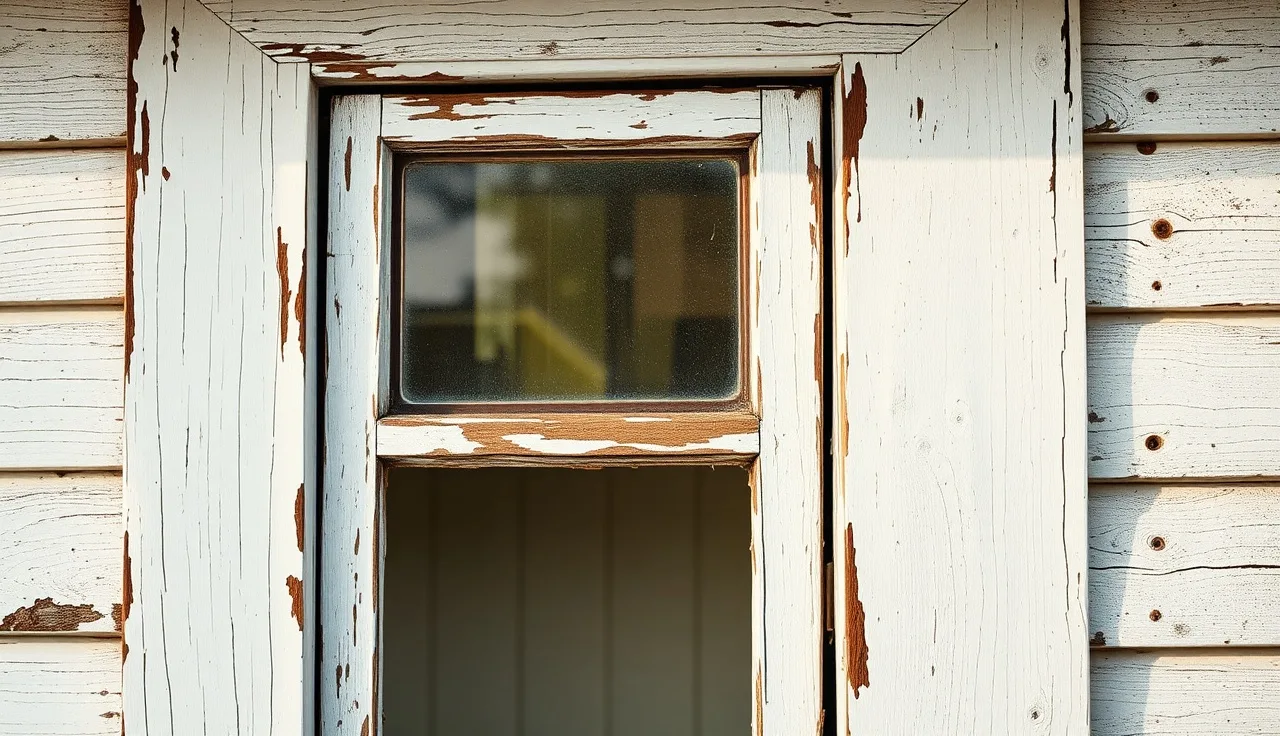
Any deteriorated paint (peeling, chipping, cracking, flaking) in a home built before 1978 automatically fails a HUD Housing Quality Standards inspection under 24 CFR Part 35. Post-1978 homes still need paint intact enough to protect the surface underneath. The rule covers every interior and exterior painted surface a child could reach.
What is the HUD paint standard and where does it come from?
HUD's Housing Quality Standards (HQS) live in 24 CFR Part 982, but the lead-based paint rules that decide which paint conditions fail an inspection sit in 24 CFR Part 35. [1] The two parts run together. Part 982 sets the general pass/fail framework for HQS, and Part 35 sets the specific deteriorated-paint triggers that apply to the housing choice voucher program.
The idea behind it is simple. Lead paint was banned from residential use in 1978. Any home built before that year is presumed to contain lead-based paint unless a certified inspector has tested it and cleared it. HUD's rule treats deteriorated paint in those pre-1978 homes as a health hazard that has to be fixed before a unit can pass. [2]
This touches everyone in the voucher process. Landlords have to fix the paint before they get paid. Tenants can't move into (or stay in) a unit that hasn't passed. The local public housing authority (PHA) runs the inspection and enforces the standard. Nobody moves forward until the paint is right.
Which paint conditions automatically fail an HQS inspection?
The formal term in 24 CFR 35.110 is "deteriorated paint," defined as paint that is "peeling, chipping, chalking, cracking, damaged, or otherwise separating from the substrate." [2] That definition is broad on purpose. An inspector doesn't have to prove lead is present. If the paint is coming apart in a pre-1978 home, it fails. Full stop.
Here are the conditions that trigger a fail, with no ambiguity:
- Peeling or flaking paint on any interior wall, ceiling, door, window, or trim surface
- Chipping paint anywhere a child could mouth or touch the surface (windowsills and door frames are the high-risk spots)
- Cracking or chalking paint that has separated or is visibly lifting from the substrate
- Bubbling or blistering paint caused by moisture behind the surface
- Paint worn through to bare wood, drywall, or plaster
- Deteriorated paint on exterior surfaces, including porches, railings, siding, window exteriors, and fascia boards [3]
The exterior counts as much as the interior. Landlords fix the bedroom walls and miss the chipping porch railing all the time. Inspectors check both.
In homes built after 1978, HQS still wants paint to protect the surface underneath. A big patch of raw drywall or bare rotted wood can fail under the general HQS surface condition standard even when lead isn't the issue. [1]
Does every painted surface in the house get inspected?
Close to it, though not literally. For pre-1978 homes, the 24 CFR Part 35 standard covers all "painted surfaces" in the unit and the common areas a tenant uses, like hallways, laundry rooms, and stairwells. [2] Inspectors work room by room.
High-friction and high-impact surfaces get the most attention. EPA and HUD both flag them because friction grinds paint into dust. Windowsills, window channels, door frames and stops, stair treads, cabinet edges. A small patch of peeling paint on a windowsill matters more in practice than the same patch high on an interior wall, and experienced inspectors know it.
Still, they follow a standardized checklist. Serious deterioration on any surface, even a utility room wall, can trigger a fail. No "too small to matter" exemption is written into the standard. HUD's guidance does draw a "de minimis" line (under 2 square feet per room, 10 percent of a component like a window frame, or 10 square feet exterior) but only to decide the remediation method, not the pass/fail call. [3] De minimis doesn't mean it passes untreated. It means the owner can use paint stabilization instead of the heavier interim controls.
Landlords listing a pre-1978 unit on section 8 houses for rent platforms save a lot of back-and-forth by doing a thorough self-inspection before the PHA shows up.
What is the difference between paint stabilization and full abatement?
This is where landlords get tripped up, and the confusion costs them time.
Paint stabilization means treating the deteriorated paint: remove the loose material, repair the substrate, and apply a new coat that bonds tight to the surface. HUD requires this for all deteriorated paint found in pre-1978 voucher units. It does not require removing all the lead paint in the house. [3]
Lead abatement is heavier. It usually means full removal or encapsulation by a certified abatement contractor. Abatement gets required in other HUD contexts, like project-based housing or certain renovation projects, but it's generally not required just to pass an HQS inspection on a voucher unit.
The practical path for most landlords: scrape the deteriorated paint, fix whatever moisture or substrate damage caused it, prime, and repaint with a durable coating. If the disturbed area crosses the RRP rule thresholds (6 square feet interior, 20 square feet exterior), the work has to be done by someone who finished EPA-approved Renovation, Repair, and Painting (RRP) training. [4]
Documentation matters. The PHA wants proof the work happened before re-inspection. Keep your receipts, your photos, and any certification paperwork.
How much deteriorated paint triggers a fail, and is there a size threshold?
HUD sets no minimum size that earns a free pass. Any deteriorated paint in a pre-1978 home is a fail. The size thresholds in 24 CFR Part 35 decide the required response, not whether the unit passes.
Here are those thresholds straight from the regulation:
| Condition | Threshold | Required response |
|---|---|---|
| Interior deteriorated paint | Under 2 sq ft per room | Paint stabilization allowed |
| Interior deteriorated paint | 2 sq ft or more per room | Interim controls or abatement |
| Exterior deteriorated paint | Under 10 sq ft total | Paint stabilization allowed |
| Exterior deteriorated paint | 10 sq ft or more total | Interim controls or abatement |
| Window component (any location) | Under 10% of the component | Paint stabilization allowed |
| Window component (any location) | 10% or more of the component | Interim controls or abatement |
Source: 24 CFR Part 35, Subpart B [2]
A landlord with a few square inches of peeling paint on one door frame still has to fix it. The only difference is that the fix can be straightforward paint stabilization instead of a certified abatement contractor. The inspector fails the unit either way and comes back to confirm the repair at re-inspection.
Do post-1978 homes have any paint-related fail conditions?
Yes. The bar is lower and the lead-specific rules don't apply, but paint can still fail you.
The general HQS surface condition standard under 24 CFR 982.401(a) requires every surface in the unit to be free of sharp projections, large holes, loose surface materials, and severe damage. [1] Paint that has peeled far enough to expose rotting wood or crumbling drywall fails this standard in a 1995 build just as it would in a 1955 one.
The concern in a post-1978 home isn't lead. It's the surface underneath. If moisture has bubbled paint off a bathroom wall and left soft, crumbling drywall, the inspector fails it. The paint is just evidence of a bigger maintenance problem.
Honest advice for landlords: don't ignore deteriorated paint anywhere, no matter the home's age. A clean, well-kept paint job tells the inspector the unit is cared for and heads off surprises.
What happens after a unit fails for paint during an HQS inspection?
The PHA issues a failed inspection report listing every deficiency. For paint failures, the landlord usually gets 24 to 30 days to make repairs and request a re-inspection. [5] The exact deadline depends on PHA policy, but HUD guidance generally allows 30 days for non-emergency repairs.
Miss that window and the PHA can suspend or terminate the Housing Assistance Payments (HAP) contract. That means the PHA stops paying its share of the rent. The tenant keeps the voucher, and the PHA should help them find a different unit.
For a tenant already living in the unit, it gets more delicate. HUD's regulations give tenants some protection: the PHA has to provide notice and can't leave a family in a failed unit indefinitely. A tenant should contact the housing authority right away if repairs aren't happening inside the repair period.
One practical note. If the tenant caused the paint damage (say, holes punched in the walls), the PHA may decide the tenant is responsible for the failed inspection. That can affect both the tenant's standing in the voucher program and the landlord's ability to claim damages.
What if the landlord thinks the paint condition is minor, but the inspector failed it?
Inspectors have some judgment, but the standard for pre-1978 homes is strict by design. There's no official threshold below which deteriorated paint in a pre-1978 home gets ignored at inspection time.
If a landlord thinks a result is wrong, most PHAs run a formal appeals or informal dispute process. You can request a re-inspection, sometimes with a different inspector. Document the condition with dated photos before you touch anything. That's your evidence if you want to contest the finding.
In practice, contesting a paint failure rarely pays off. Scraping, priming, and repainting a door frame costs almost nothing. The time you burn in an appeal cycle delays the HAP contract and delays everyone getting paid. Fix it, photograph the repair, request re-inspection. That's the faster road.
VoucherReady's free tenant tools and landlord kit include inspection checklists that help landlords self-assess before the PHA visit, which catches most paint issues before they turn into formal failures.
Are there special rules for friction surfaces and windows?
Yes. HUD and EPA both pay extra attention to friction and impact surfaces because they throw off lead dust even when the paint looks fine. That group includes window channels (where the sash slides), windowsills, door stops, stair treads, and floors. [4]
For an HQS inspection, paint on these surfaces doesn't have to be peeling to be a concern, though a visible defect there is still the immediate pass/fail trigger. The longer-term problem is that friction surfaces keep making dust even after a repaint. PHAs running enhanced inspection protocols may flag friction surfaces on their own.
On windows, HUD guidance treats replacing a window as abatement of that component. Landlords fighting the same chipped window channel year after year often find that replacing the window solves it for good instead of repainting the same spot every cycle.
EPA's renovation rules in 40 CFR Part 745 put separate obligations on contractors doing any work that disturbs lead paint, including repainting a friction surface in a pre-1978 home when the disturbed area crosses the RRP thresholds. [4] That rule applies whether or not there's a HUD inspection.
What documentation does a landlord need to provide about paint?
For initial lease-up of a pre-1978 unit, the landlord has to give the tenant EPA's "Protect Your Family from Lead in Your Home" pamphlet and disclose any known lead-based paint hazards in writing. This is required under 42 U.S.C. 4852d, the Residential Lead-Based Paint Hazard Reduction Act, before any rental agreement gets signed. [6]
If a lead risk assessment or inspection has been done on the property, the landlord has to hand over every record and report. If none has been done, the disclosure form says so.
When repairs address a failed inspection, the PHA may ask for documentation of the work, especially if a certified contractor was required. Keep invoices, contractor RRP certification numbers, and before-and-after photos.
If a child under six or a pregnant woman lives in the unit, some PHAs require a visual assessment or full risk assessment before the HAP contract starts, going past the standard HQS inspection. Requirements vary, so ask the local PHA. [5]
Tenants looking at options through hud housing resources should know these disclosure rules, because they tell you exactly what a landlord has to hand you before you sign.
How can a tenant or landlord prepare for the paint portion of an HQS inspection?
Walk the unit like an inspector before the inspector shows up. Start outside. Look at every painted exterior surface: siding, window frames, soffits, fascia, porch floors and railings, the front door and its frame. Any spot where paint is lifting, bubbling, or gone counts.
Inside, go room by room. Check windowsills first. They take the worst of the condensation and friction. Check door frames at the corners where paint chips easily. Look at the ceiling line in bathrooms and kitchens where moisture builds. Pull furniture off the walls for a second and check behind it.
For landlords, the prep pays for itself fast. A can of primer and a can of paint run maybe $40 to $80 total. A failed inspection means another 30-day cycle before HAP payments start. On a unit with a $1,200 monthly HAP contribution, that's a $1,200 opportunity cost from skipping a $15 paint repair.
Tenants still shopping for a unit under section 8 can use the pre-inspection walk-through with the landlord to flag obvious paint problems. Point them out early so the landlord fixes them before the PHA date, not after a formal fail.
VoucherReady also has a printable HQS inspection prep checklist in its landlord kit, covering paint alongside the other major HQS categories.
Frequently asked questions
Does a pre-1978 home automatically fail HQS inspection?
No. A pre-1978 home does not automatically fail. It passes if every painted surface is intact with no deterioration. The age of the home decides which rules apply, but a well-kept pre-1978 home with no peeling, chipping, or cracking paint passes HQS with no problem. The stricter lead-based paint rules just mean inspectors look harder.
How small does a paint chip have to be before it doesn't count as a fail?
There's no official minimum chip size that passes. Any deteriorated paint in a pre-1978 home is a fail under 24 CFR Part 35. The size of the deteriorated area affects which repair method is required, not whether it's a deficiency. A chip the size of a quarter on a windowsill still needs treatment and re-inspection before the unit passes.
Who is responsible for fixing paint that fails HQS, the landlord or the tenant?
The landlord is responsible for keeping the unit in HQS condition, paint included. If the tenant caused the damage through negligence or abuse, the landlord can try to recover costs through normal landlord-tenant remedies, but the landlord still has to make the repairs to pass re-inspection. The PHA does not wait for a damage dispute to settle before requiring the fix.
Can a tenant be evicted if their unit fails an HQS paint inspection?
Failing an HQS inspection does not by itself give a landlord grounds to evict. The landlord has to make repairs. If the HAP contract gets suspended over unresolved failures, the PHA typically helps the tenant find other housing. A tenant can't be evicted just because the landlord didn't fix a paint problem. Normal state-law eviction protections still apply.
Does a freshly painted unit pass the paint portion of HQS?
Usually yes, as long as the paint has cured and went onto a sound substrate. Fresh paint over a badly deteriorated surface, like flaking paint painted over without scraping, does not pass. Inspectors look for paint that's properly adhered. Covering deteriorated paint without real surface prep fails on re-inspection once the new paint starts lifting within weeks.
Are exterior paint conditions inspected under HQS?
Yes. The HQS inspection covers interior and exterior painted surfaces both. Exterior deficiencies are where landlords get caught off guard. Chipping porch floors, peeling window exteriors, and flaking fascia boards are all fail conditions in pre-1978 homes. The de minimis threshold for exterior deteriorated paint is 10 square feet total before heavier remediation kicks in, but any amount still has to be fixed.
Does a tenant have to leave the unit while paint repairs are made?
It depends on the scope. If the work disturbs more than a small amount of lead paint and triggers EPA RRP rule requirements, occupants (especially children under six and pregnant women) should stay out of the work area during the job and until the area has been cleaned. For minor paint stabilization on a small area, moving out is often not needed. Check with the contractor and follow EPA guidance at epa.gov.
What does paint stabilization mean in the context of HUD inspections?
Paint stabilization means removing deteriorated paint, repairing the surface underneath, and applying a new durable coat that bonds to the substrate. Under 24 CFR Part 35, this is the minimum required response to deteriorated paint found during an HQS inspection. It does not mean stripping all lead paint from the home. The goal is to kill the immediate hazard by leaving an intact, bonded paint film.
What if the landlord has a lead-free test certificate for the home?
If a certified inspector has tested and found no lead-based paint on the surfaces, the pre-1978 lead-specific rules don't apply to those tested surfaces. The landlord should give the PHA documentation of the certified lead inspection. General HQS surface condition standards still apply, so paint must stay intact and surfaces in good repair, but the stricter deteriorated-paint fail trigger comes off.
How long does a landlord have to fix paint deficiencies after an HQS fail?
Most PHAs give 30 days for non-emergency HQS deficiencies, paint included. Some allow 24 hours for conditions treated as immediately hazardous, though deteriorated paint is usually a non-emergency under standard protocols. After repairs are done, the landlord requests a re-inspection. Miss the deadline and the PHA can suspend or terminate the HAP contract. Check the PHA's administrative plan for its exact timeline.
Does the HQS inspection test for lead, or just look at paint condition?
The standard HQS inspection is visual only. It doesn't involve XRF testing or lab sampling to confirm whether paint contains lead. An inspector flags deteriorated paint in pre-1978 homes by how it looks, not by lead content. If you want a definitive lead test, you need a certified lead risk assessor. That's a separate process and cost, not part of standard HQS.
Are common areas like hallways and stairwells inspected for paint conditions?
Yes. If a tenant uses common areas as part of their tenancy, those spaces fall inside the HQS inspection scope. Landlords with multi-unit buildings often fail because they fix the apartment but leave a chipping hallway stairwell. Any common area the tenant has to pass through is included. Check every shared space, not only the four walls of the apartment itself.
What paint conditions count as an emergency versus a standard deficiency?
HUD separates emergency deficiencies (an immediate threat to life or safety) from standard ones. Deteriorated paint is generally a standard deficiency with a 30-day repair window, not an emergency. But if testing confirms a lead hazard and children under six or pregnant women live in the unit, some PHAs treat it with more urgency. The PHA's administrative plan defines emergency versus standard for its program.
Sources
- HUD, 24 CFR Part 982 Housing Choice Vouchers: HQS general acceptability criteria including surface condition requirements apply to all voucher units under Section 8
- HUD, 24 CFR Part 35 Lead-Based Paint Poisoning Prevention in Certain Residential Structures: Deteriorated paint defined as paint that is peeling, chipping, chalking, cracking, damaged, or otherwise separating from the substrate; triggers fail condition in pre-1978 housing
- HUD Office of Lead Hazard Control and Healthy Homes, Guidelines for the Evaluation and Control of Lead-Based Paint Hazards in Housing: De minimis thresholds: under 2 sq ft per room interior, under 10 sq ft exterior, under 10% of a component allow paint stabilization rather than interim controls
- EPA, 40 CFR Part 745 Renovation, Repair, and Painting (RRP) Rule: RRP rule applies when disturbed lead paint surface exceeds 6 sq ft interior or 20 sq ft exterior; certified renovator required
- 42 U.S.C. 4852d, Disclosure of Lead-Based Paint Hazards (Residential Lead-Based Paint Hazard Reduction Act): Landlords of pre-1978 homes must provide lead hazard disclosure and EPA pamphlet before lease signing
- EPA, Protect Your Family from Lead in Your Home pamphlet: EPA required pamphlet summarizes lead hazards in pre-1978 housing including friction and impact surfaces as highest-risk areas
- HUD, Lead Safe Housing Rule (Office of Lead Hazard Control and Healthy Homes): Lead Safe Housing Rule requires visual assessment in federally assisted pre-1978 housing before HAP contract execution when children under six are present
- EPA, Lead in Paint (renovation, repair, and painting resources): Window channels, sills, door stops, and stair treads identified as high-friction surfaces generating lead dust in pre-1978 homes
- HUD, 24 CFR 982.401 Housing quality standards: All surfaces throughout the dwelling unit must be free of sharp projections, large holes, and loose surface materials under general HQS